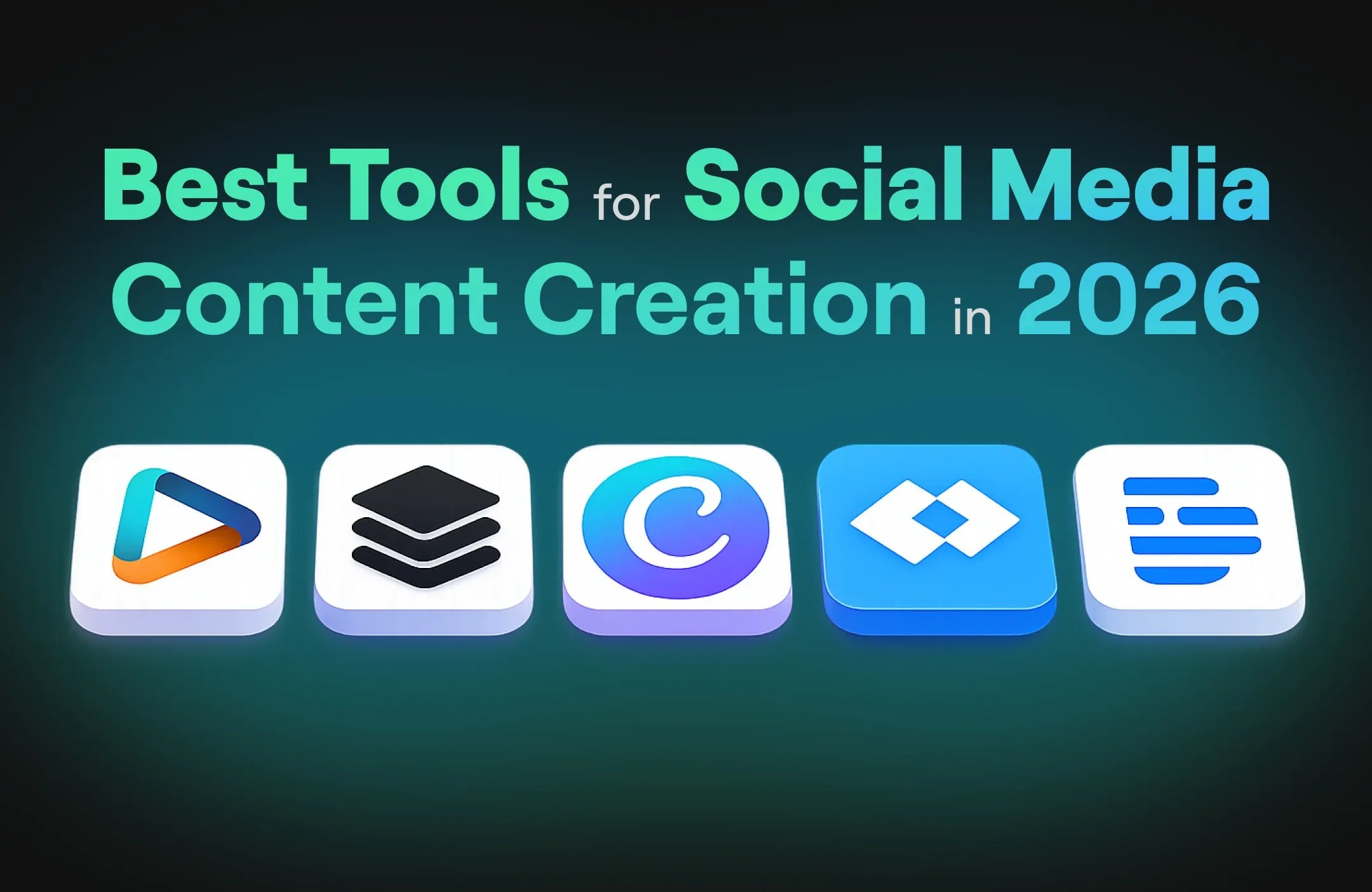
Social media content creation in 2026 isn’t about finding one “perfect” app. The creators and teams who grow consistently usually run a simple stack: a few tools that cover video, design, scheduling, and performance without slowing down output.
This guide lists the best tools by category so you can build a creator stack that matches how you actually publish. If your workflow depends on short-form video, the single most important decision is choosing the right ai editor online to anchor everything else.
What a modern creator stack needs to do
A solid stack helps you do five things repeatedly:
- Turn raw input into publish-ready content (fast)
- Keep quality consistent across posts
- Batch work weekly instead of daily
- Distribute across multiple platforms without chaos
- Learn from performance and improve each week
Most people don’t struggle with ideas. They struggle with execution and consistency. That’s why the tool categories below matter.
1) Repurposing long videos into short-form clips: Reap
If you record podcasts, webinars, coaching sessions, interviews, or courses, you already have the most valuable asset: long-form content. The fastest way to grow on short-form platforms is to repurpose that content into multiple Shorts/Reels/TikToks every week, consistently.
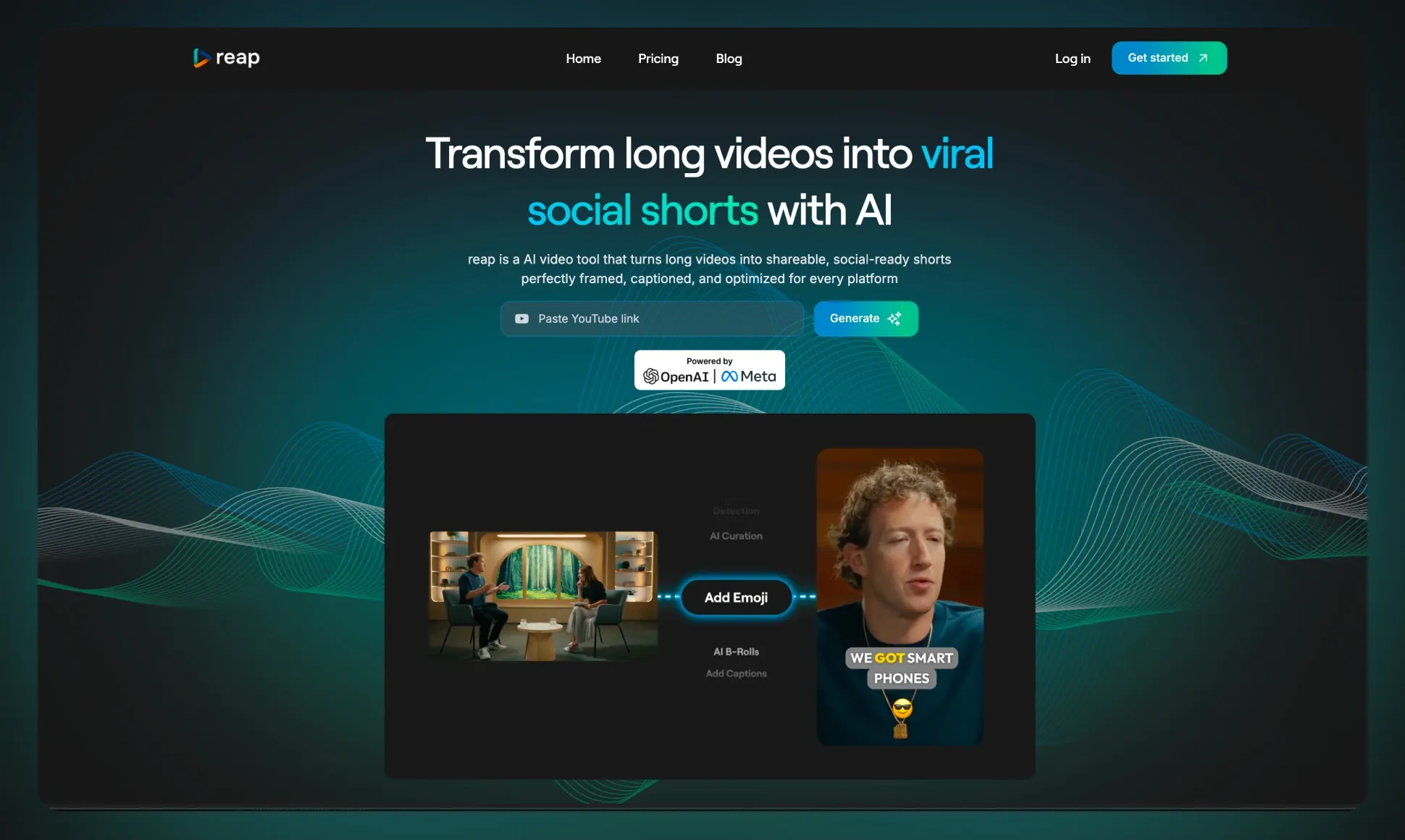
Reap is built specifically for that workflow and acts as ai video creation software for turning long videos into short-form output at scale. It’s not just a “one clip editor.” It’s designed to produce repeatable results across many clips from the same source.
Reap is strongest when you want your workflow to look like: upload → generate clips → publish. That’s what makes it a dependable foundation for a creator stack.
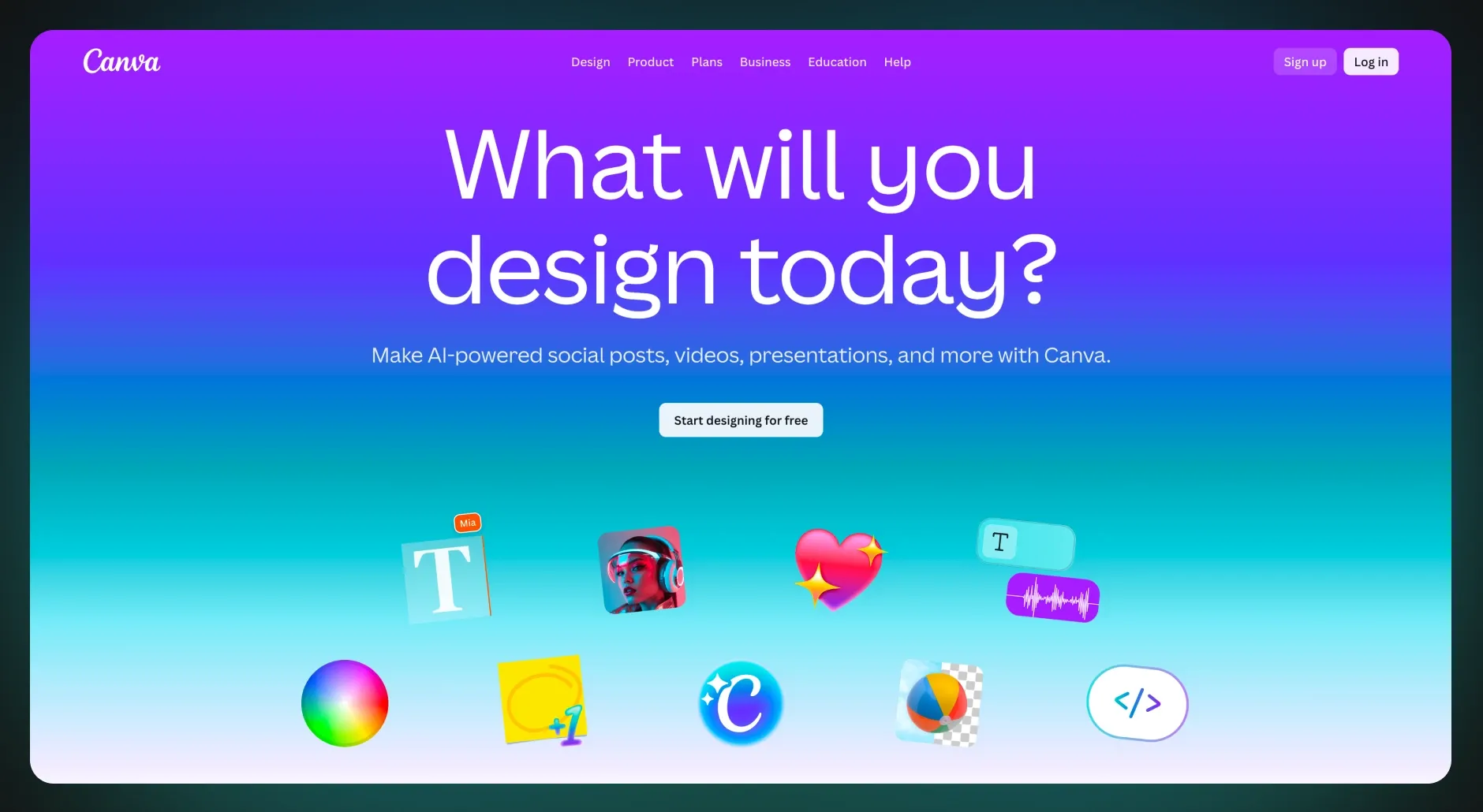
2) Thumbnails, carousels, and brand visuals: Canva
Even great videos underperform when the packaging is weak. Thumbnails, overlays, carousels, and simple branded elements often decide whether people click, stop scrolling, or share.
Canva is the easiest tool to keep visuals consistent across platforms. It’s fast, team-friendly, and good enough for most creators especially if you’re posting frequently and need design speed more than perfection.
If you publish across multiple platforms, Canva becomes your “branding glue.” It makes your content feel cohesive even when the topics and formats change.
3) Scheduling and consistent posting: Buffer or Later
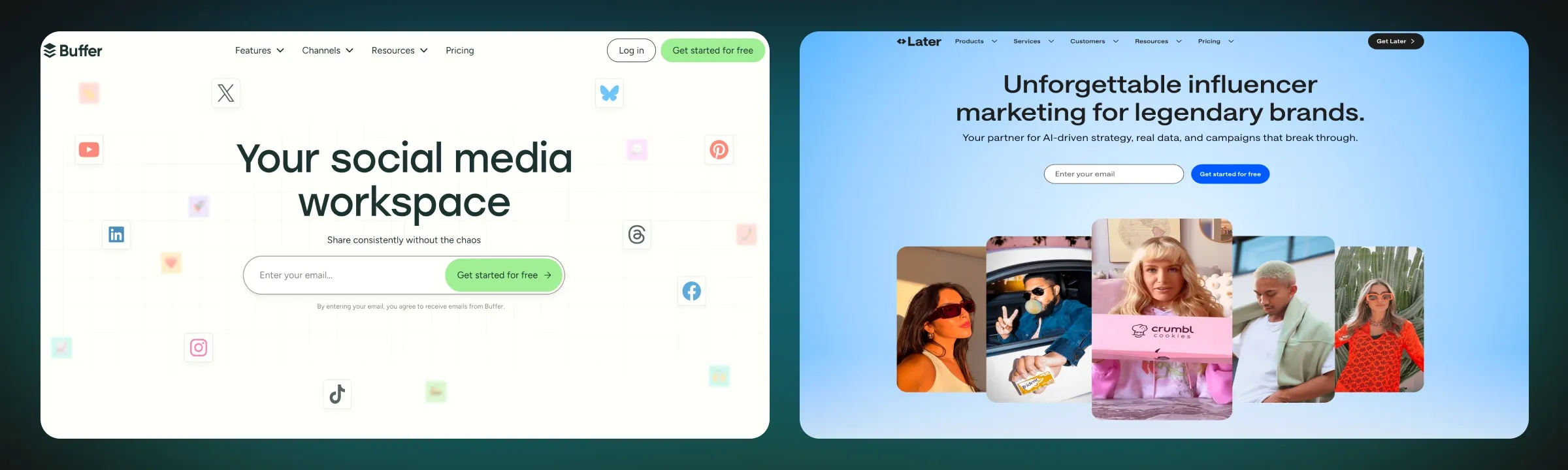
Most creators don’t lose because they can’t make content. They lose because posting becomes manual, inconsistent, and exhausting. Scheduling tools solve that.
Buffer is a clean, reliable option for simple scheduling across channels. Later is strong for social-first planning workflows, especially if your process is built around a calendar and batch posting.
The value here is not the tool it’s consistency. A scheduler turns “I made content” into “content actually ships.” Reap can also be used for scheduling and consistent posting if you want a single tool for end to end growth.
4) Scripts, hooks, captions, and content variations: ChatGPT
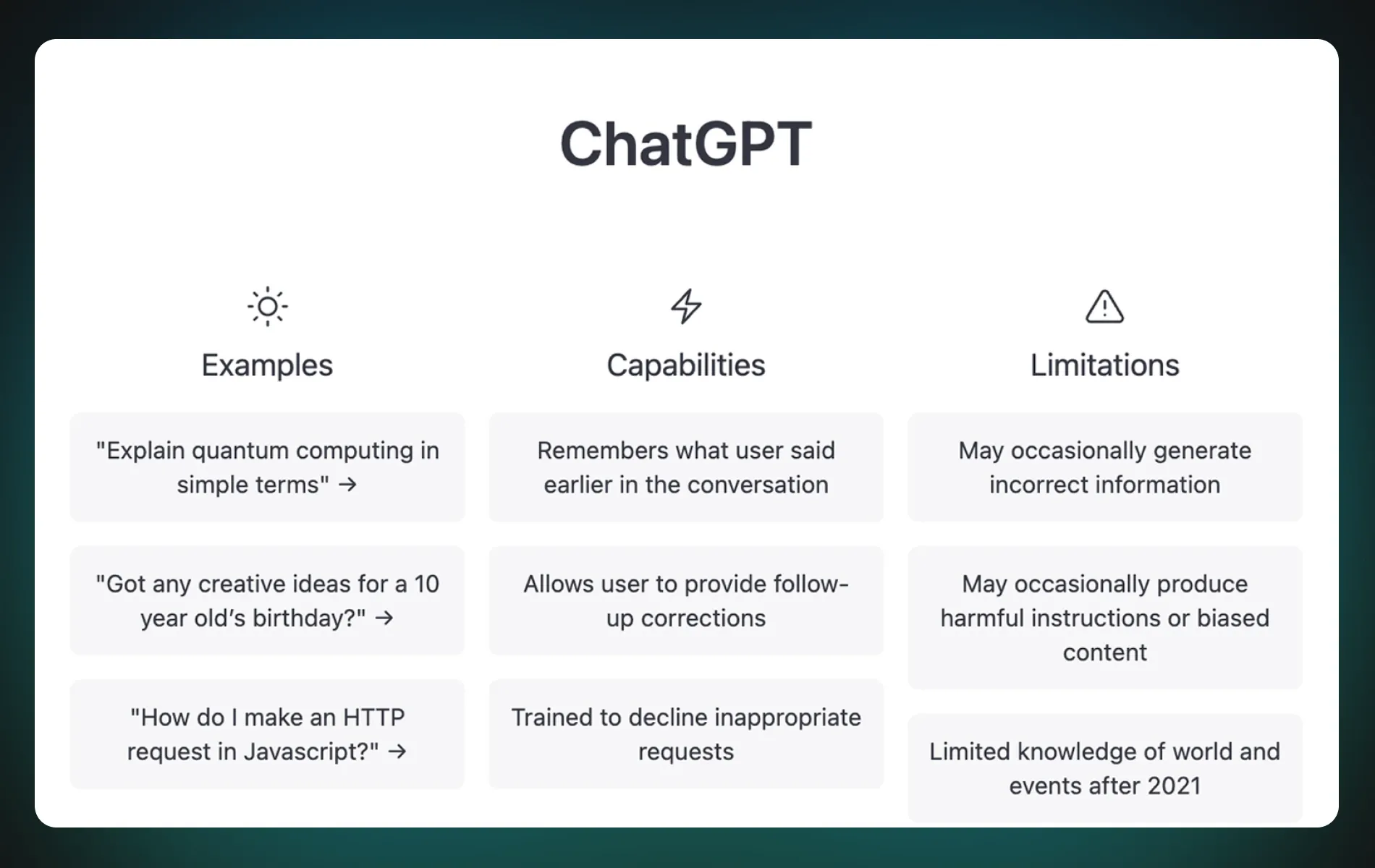
Short-form content is a writing game as much as a video game. Hooks, titles, captions, and structure decide whether people keep watching. ChatGPT is one of the best tools for speeding up that layer of creation.
It’s useful when you need:
- 20 hook variations for the same idea
- Short scripts from bullet points
- Captions and post text for IG/LinkedIn/X
- Repurposing one idea into multiple angles
Creators who publish consistently rarely write from scratch every time. They reuse patterns and iterate. ChatGPT helps you do that quickly.
5) Transcript-based repurposing for YouTube and podcasts: Descript (plus transcripts)
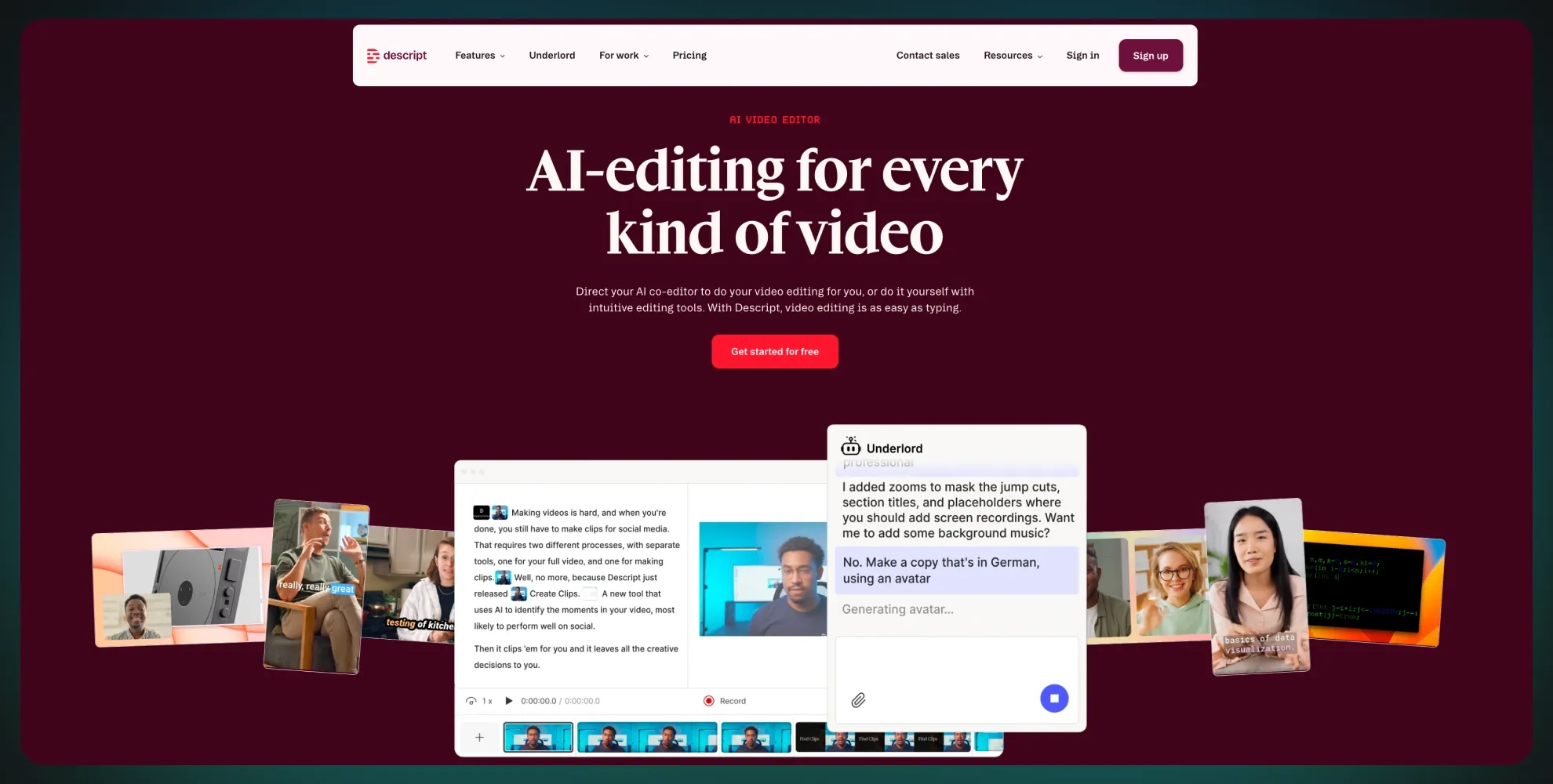
If your workflow includes YouTube long-form or podcasts, transcripts become a content multiplier. A youtube transcript generator workflow helps you turn spoken content into reusable text so you can pull hooks, summarize segments, and plan clips faster.
Descript is a strong option for transcript-first editing and long-form workflows, especially for spoken content. Even if you don’t use it as your primary editor, transcript-based workflows are powerful for content reuse because they help you identify the best moments and rewrite them into multiple short-form posts.
6) B-roll and stock footage (optional but high-impact): Pexels (free) + Storyblocks (paid)+ Reap (built‑in)
As you scale output, content can start to feel visually repetitive. That’s where B-roll becomes useful especially for educational, coaching, and explainer content.
Pexels is great if you want free stock clips that look clean.
Storyblocks is a better choice when you need more consistent quality and variety at volume. This category is optional early on, but once you’re posting frequently, B-roll helps retention and polish without extra filming.
And if you’re already editing inside reap, you can use its built-in AI B-roll to automatically layer relevant cutaways without extra tools or manual hunting.
7) Analytics and performance tracking: YouTube Studio + TikTok Analytics + Instagram Insights
Creators often overcomplicate analytics. The native tools are enough for most teams in 2026. You want to track:
- which hooks hold attention
- what retention looks like
- what formats and topics repeat as winners
- which posts drive profile clicks and follows
The goal is simple: identify what works, then create more of it faster.
A simple creator stack that works for most people
If you want a lean, scalable setup:
- Reap for repurposing and short-form production
- Canva for thumbnails and carousels
- Buffer or Later or Reap for scheduling
- ChatGPT for scripts, hooks, and captions
- Descript for transcript-based repurposing (if YouTube/podcasts are core)
- Pexels or Storyblocks or Reap when you need B-roll
- Native analytics to improve weekly
This stack is small, practical, and designed for output consistency.
The best creator advantage in 2026 is consistency. A strong stack helps you turn one recording into many posts, package them professionally, schedule them, and learn from performance.
If you’re building a short-form engine, start with a tool that can reliably produce publish-ready clips at scale, then add design and scheduling around it. Keep the stack simple, and optimize for output.
If you want a single foundation for short-form output repurposing, editing, captions, and formatting, Reap is designed to support consistent social content creation at scale.
Try reap.video today!
.webp)